Thinking of having Steroid Injections or Alcohol Injections?
Have you considered Cryosurgery for Morton's Neuroma?
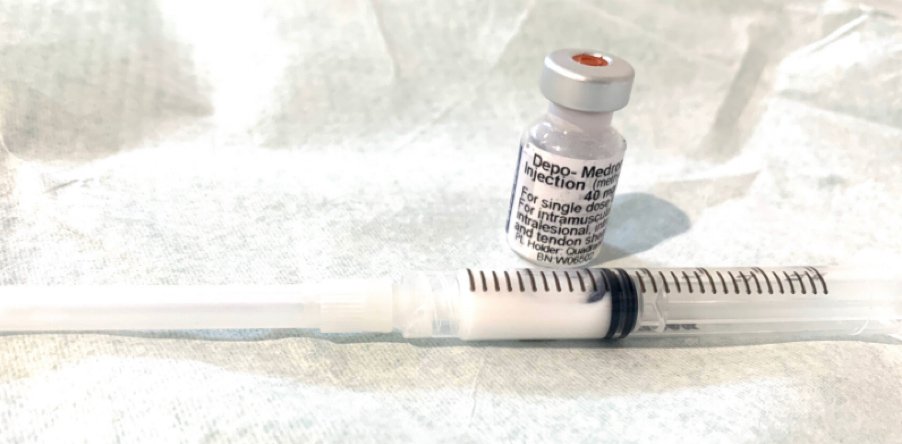

What are Steroid Injections?
Steroid injections have been used for decades to treat Morton’s neuroma. They are thought to be powerful anti-inflammatory agents and are known to cause atrophy or shrinkage of tissue. They are generally regarded as safe. However, the effects of the injections tend to be fairly short-lived, lasting only 2-3 months. Furthermore, there is evidence that if the diameter of the neuroma exceeds 5.4mm that the injection is not likely to give any long term benefit.
What are Alcohol Injections?
The treatment goal of alcohol injections is to kill the interdigital nerve by repeatedly injecting alcohol around the nerve. Many find alcohol injections injection therapy to be a painful process to endure. Patients are also expected to have 5-6 injections performed at weekly intervals. Alcohol injections have now been abandoned by most due to poor results. Recent studies showed that less than 30% of patients were happy with their outcomes. Many experts fear that failed alcohol injections could leave the patient in a worse position than they were in before they started treatment due to increased scar tissue in the interspaces caused by the alcohol injections.
Side effects of steroid injections include:
A temporary weakening of the immune system, as such it is not wise to have a steroid injection if you are suffering from a viral or bacterial infection because a steroid injection can strengthen the infection. Patients that are diabetic also need to be mindful that steroid injections can raise blood sugar levels.
In addition to the systemic side effect of the weakened immune system, there can also be some more localised side effects from steroid injections, such as atrophy or shrinkage or thinning of surrounding tissues. Atrophy of the protective fat tissue that sits under the ball of the foot is a concern because as we age we are not able to repair fat tissue under the ball of the foot, if the fat becomes too thin the metatarsal bones can protrude and become uncomfortable to walk on.
One of the most serious side effects of steroid injections in the forefoot is the risk of soft tissue rupture. Steroid injections are thought to weaken important soft tissues such as ligaments and tendons. In the forefoot, there are very important stabilising structures called plantar plates. Repeated steroid injections can lead to plantar plate rupture, most commonly affecting the 2nd toe. Plantar plate ruptures are very painful and can even be more painful than Morton’s neuroma. Surgical plantar plate repair often gives very variable results.
At the Barn Clinic, we use steroid injections in a careful and considered fashion, since the Covid-19 pandemic we have not used steroid at all.
Cryosurgery is an excellent alternative to short-lasting steroid injections.
Cryosurgery
Cryosurgery is a modern form of treatment for Morton’s Neuroma, which offers patients a minimally invasive, clinic-based procedure with a high success rate and no risk of stump neuroma.
We like to think of Cryosurgery as wiping the slate clean, and returning your nerve to how it was before the neuroma occured. Due to the accuracy and precision used during the Cryosurgery treatment, we are able to selectively target and cause the breakdown of the thickened neuroma tissue, leaving the affected nerve unharmed and undamaged. The subsequent tissue breakdown and reabsorption, will leave you with an intact, healthy, fully-functioning nerve. Just how it was before the neuroma developed.