
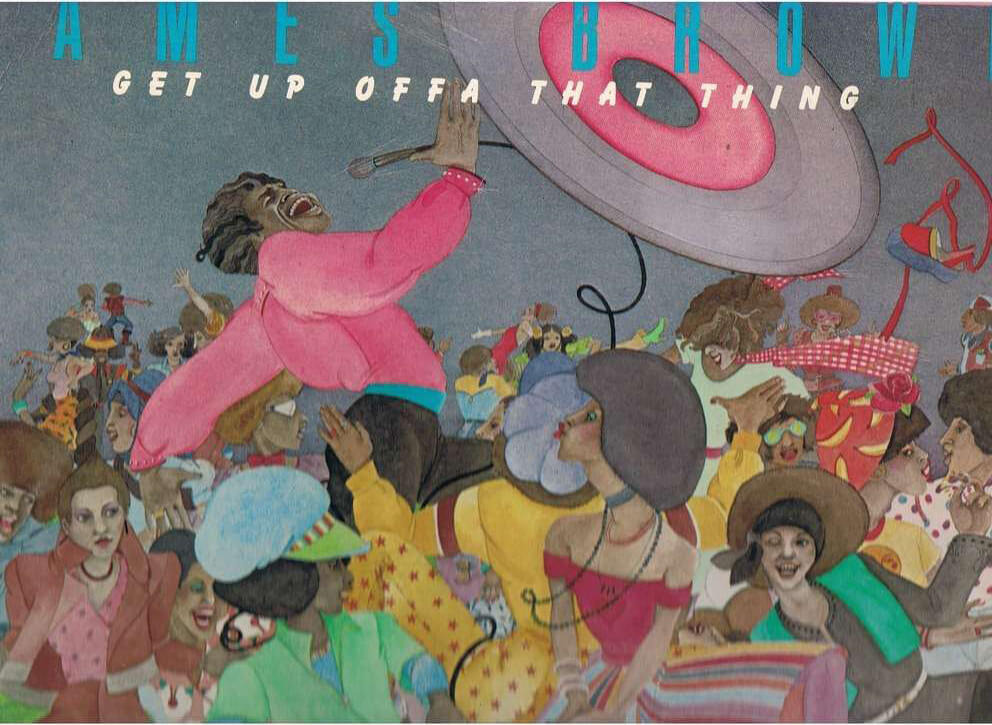
Cryosurgery Treatment “Get Up offa that thing (Those feet) and dance ‘till you feel better”
Table of Contents
During lockdown I have heard, the question “How soon can normal life resume?” Well, what about how soon your life can resume after cryosurgery?
One of the main advantages of cryosurgery over another type of Morton’s neuroma treatment is how soon normal life (including dancing) can be resumed. This is because the neuroma is not cut out of the foot, it is simply frozen.
Unlike excision surgery, there is no need for patients to go into ‘invalid mode’, continuous rest after treatment is simply not needed, in actual fact, after the first 48-72 hours we encourage our patients to walk normally, without crutches, without walking sticks, without surgical shoes. Patients are advised to load the forefoot and walk completely normally, they don’t even need to try and offload or limp, and if they are up to it, they can even have a bit of a boogie! To paraphrase the late James Brown. Get up of the feet and dance till you feel better.
Consequently, the recovery process from cryosurgery is relatively straight forward. This is not to say that there is no discomfort immediately after cryosurgery or in the following 2-3 months after treatment, but for most the discomfort following cryosurgery is very limited and generally well controlled with just paracetamol.
In fact, when we contact our patients after treatment, 80% of patients say that they didn’t need any pain killers on the first day after treatment.
The reason why the cryosurgery recovery process allows for an early resumption of normal life owes much to the fact that cryosurgery is a regenerative treatment.
Regenerative medicine is a branch of medicine involved in ‘tissue engineering’ that deals with the process of replacing or regenerating damaged cells. Most regenerative medicine treatments harness or stimulate the body’s own repair mechanisms.

How does cryosurgery harness the body’s repair mechanisms for Morton’s neuroma?
Cryosurgery or freezing of the neuroma tissue causes selective temporary damage to the blood supply of the nerve, the vasonervorum, as well as disrupting the nerve structure and triggering a process of nerve degeneration (Wallerian degeneration).
The effects of cryosurgery, however, are reversible, because the key building blocks of the nerve, the myelin sheath and the endoneurium ultimately remain intact, which allows for the nerve to fully regenerate (Trescot 2003).
In essence, cryosurgery selectively targets the abnormal inflammatory fibroblastic tissue around the nerve, causing it to break down and be reabsorbed, ultimately leaving the nerve intact.
Histological studies demonstrate conclusively that following cryosurgery the basal lamina of Schwann cells remain intact, and both motor and peripheral nerves are able to completely regenerate and regain normal function (Moorjani et al 2001, Hsu et al.2015). As the technique does not involve cutting or sectioning the nerve there is also no risk of stump neuroma formation.
In summary Cryosurgery for the treatment of Morton’s neuroma is a safe and effective regenerative treatment, that allows you to re-engage with life.
References
- Trescot AM. Cryoanalgesia in interventional pain management. Pain Physician. 2003;6(3):345-360.
- Moorjani N, Zhao F, Tian Y, Liang C, Kaluba J, Maiwand MO. Effects of cryoanalgesia on post-thoracotomy pain and on the structure of intercostal nerves: a human prospective randomized trial and a histological study. Eur J Cardiothorac Surg. 2001;20(3):502-507. doi:10.1016/s1010-7940(01)00815-6
- Hsu M, Stevenson FF. Wallerian degeneration and recovery of motor nerves after multiple focused cold therapies. Muscle Nerve. 2015;51(2):268-275. doi:10.1002/mus.24306
Mr Weaver has a special clinical interest in podiatric regenerative medicine and was among the first clinicians in Europe—and the first in the UK—to offer cryosurgery (cryoablation) for Morton’s neuroma. Driven by a commitment to excellence in patient care, he focuses on delivering precise, evidence-based treatments that prioritise long-term recovery and patient comfort.
Over the past 18 years, he has performed approximately 20,000 procedures for Morton’s neuroma and bursitis. This extensive experience allows him to provide a highly personalised approach, ensuring every patient receives the specialist attention required for the best possible outcomes.
His professional memberships include the Institute of Podiatrists, the International Society of Cryosurgery, and the British Medical Ultrasound Society.