
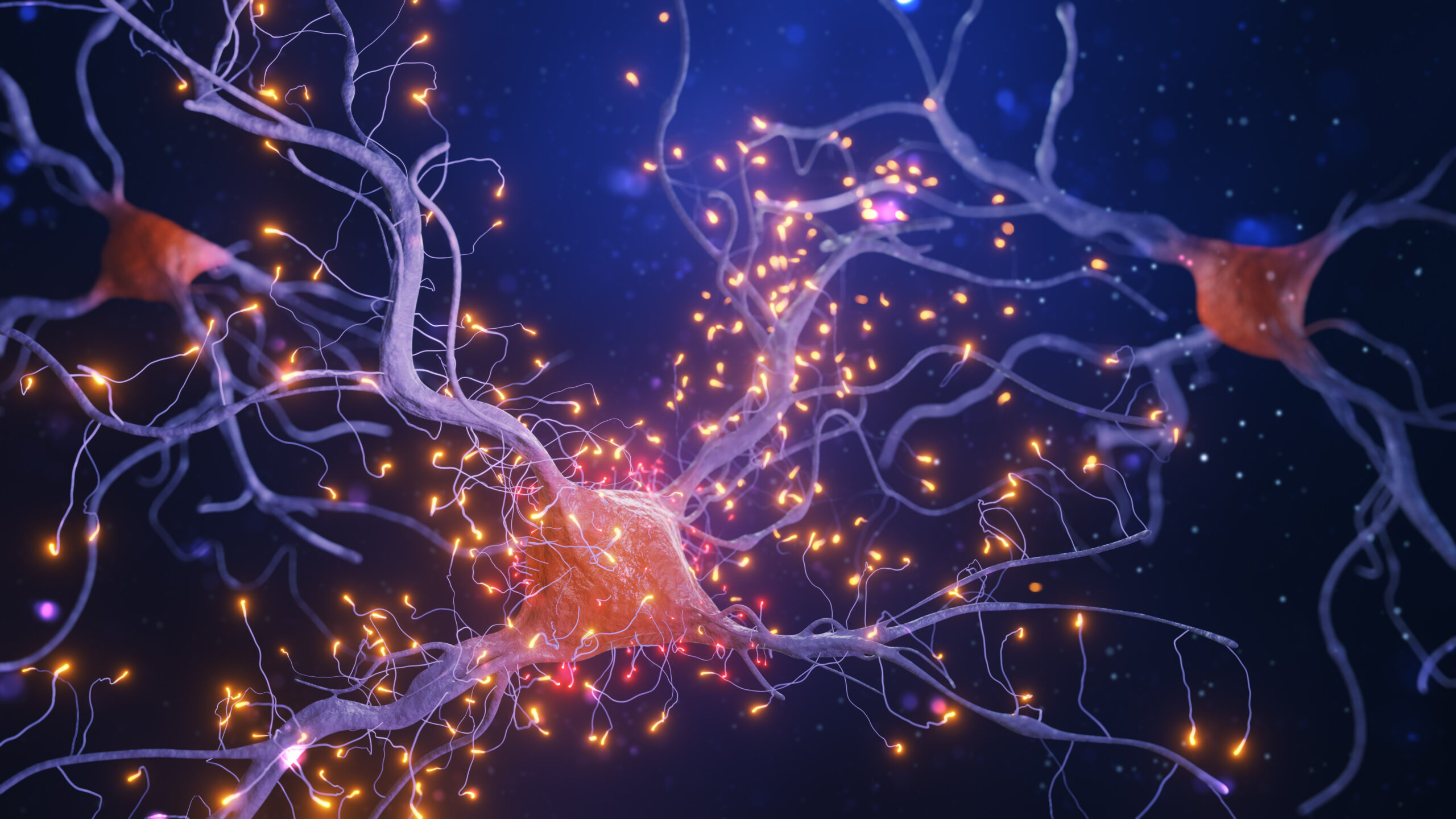
Cryosurgery harnesses the body’s ability to repair and regenerate damaged peripheral nerves.
When it comes to nerve injuries many people have a mistaken perception that once a nerve is injured it can not repair. This perception is most likely based on the experiences of people that have suffered injury to nerves in the central nervous system (CNS) . Injury to CNS nerves often results in permanent paralysis because CNS nerves are unable to repair.
However, some nerves in the body do have the ability to repair. These nerves are called peripheral nerves, the same type of nerve found in the foot that can form Morton’s neuroma.
Cryosurgery for Morton’s neuroma activates the body’s ability to repair peripheral nerves.
Overview of the nervous system.
The nervous system is a remarkable network of cells and fibres that enable communication between different organs and systems in the body. It can be broadly divided into two major components: the central nervous system (CNS) and the peripheral nervous system (PNS). While both systems play crucial roles in coordinating bodily functions, there are distinct differences between peripheral nerves and CNS nerves that define their functions and anatomical characteristics.
Firstly, peripheral nerves are primarily responsible for connecting the CNS to the rest of the body. These nerves extend beyond the boundaries of the brain and spinal cord and reach into various regions, including the limbs, hands and feet. Their main function is to transmit sensory information from the body to the CNS and carry motor signals from the CNS to the muscles and glands. In contrast, CNS nerves are found exclusively within the brain and spinal cord and are involved in processing and integrating information received from the peripheral nerves.
The regenerative capacity of peripheral nerves and CNS nerves differs significantly. Peripheral nerves possess a remarkable ability to regenerate after injury. Special cells called Schwann cells play a crucial role in this process by facilitating the regrowth of damaged nerve fibres. This regenerative ability allows for the eventual restoration of function in the effaced nerve.
If peripheral nerves are capable of spontaneous repair why don’t Morton’s neuroma heal themselves?
Peripheral nerves only go into ‘repair mode’ after an acute injury.
Morton’s neuroma typically develop slowly over long periods of time, after a chronic inflammatory process that culminates in a thickened painful fibrotic nerve. As such the repair mechanisms peripheral possess never get activated.
Can peripheral nerves be triggered to go into repair mode ?
A process known as cryosurgery or cryoneuroablation that involves freezing the abnormal cells of the Morton’s neuroma, triggers a breakdown of the abnormal tissue, triggering the peripheral nerves’ ‘repair mode’, allowing for regeneration of heathy nerve tissue.
Studies have demonstrated that cryosurgery has around a 80% cure rate, and can even be performed on people that have developed stump neuromas after failed excision surgery. Cryosurgery for Morton’s neuroma was first performed in 1996, since that time many thousands of patients worldwide have benefited from this restorative form of treatment.
Cryosurgery enjoys high patient satisfaction rates, with minimal risks.
Request More Information about Cryosurgery for Morton’s Neuroma
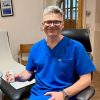
Mr Weaver has a special clinical interest in podiatric regenerative medicine and was among the first clinicians in Europe—and the first in the UK—to offer cryosurgery (cryoablation) for Morton’s neuroma. Driven by a commitment to excellence in patient care, he focuses on delivering precise, evidence-based treatments that prioritise long-term recovery and patient comfort.
Over the past 18 years, he has performed approximately 20,000 procedures for Morton’s neuroma and bursitis. This extensive experience allows him to provide a highly personalised approach, ensuring every patient receives the specialist attention required for the best possible outcomes.
His professional memberships include the Institute of Podiatrists, the International Society of Cryosurgery, and the British Medical Ultrasound Society.