Keen interest in diagnostic medical ultrasound | Our Story & Our Ethos
Table of Contents
Our Story So Far | 1999 - 2019 | 20 Years of Excellence
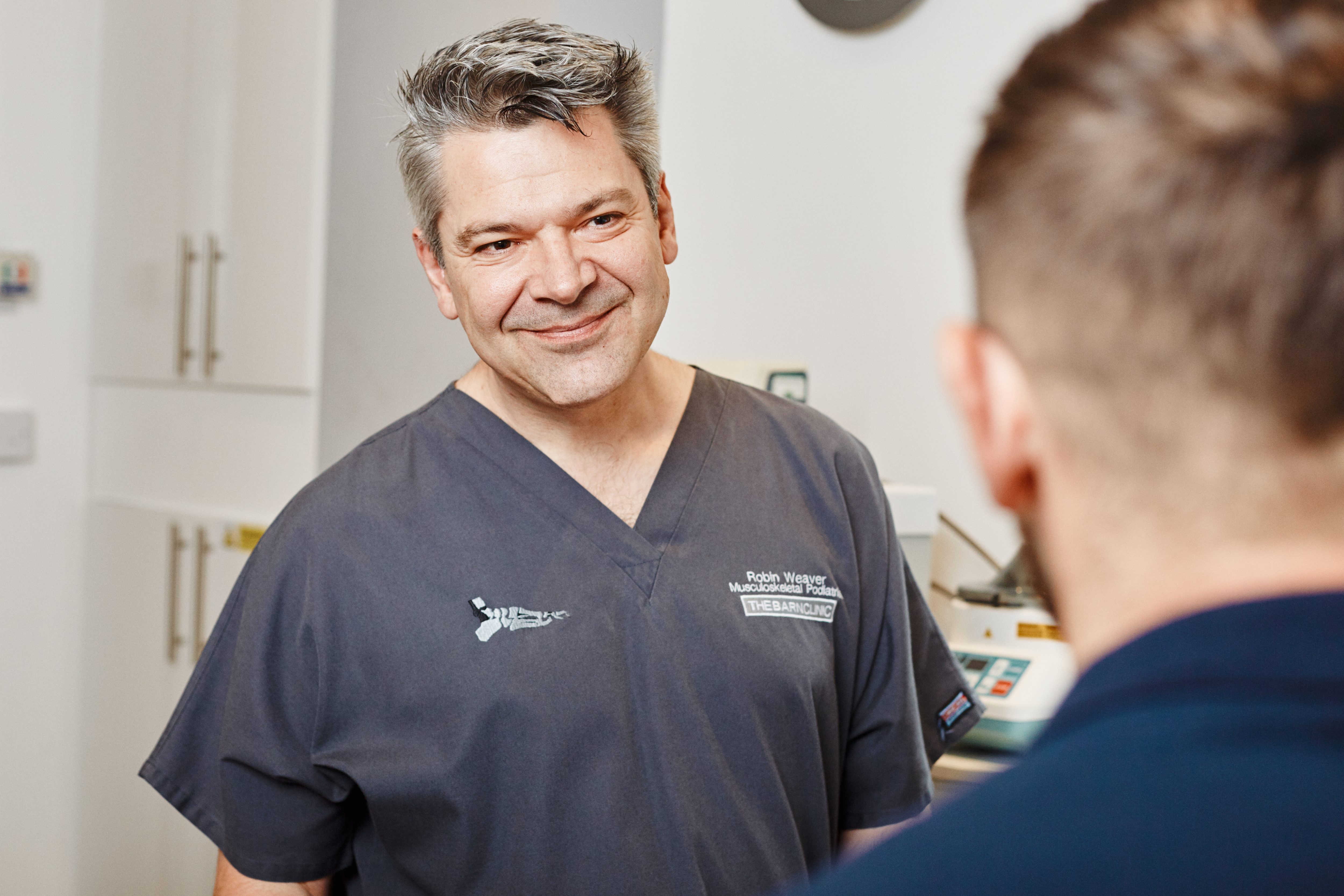
Since 1999, Mr Weaver was has taken a keen interest in diagnostic medical ultrasound. This interest was sparked by a realisation that Ultrasound imaging could really remove a lot of the guesswork involved in assessing and treating common podiatric conditions, such as Morton’s neuroma. Mr Weaver realised from the moment he saw ultrasound imaging being used first-hand, that it had the potential to really improve and unlock better treatment outcomes for patients.
Ultrasound imaging
At that time in the UK, training in Ultrasound imaging for Podiatrists was pretty much non-existent. Furthermore, organising ultrasound scans to assess and plan treatment for conditions like Morton’s neuroma or bursitis was a painfully slow business, that was sometimes limited by the lack of detailed knowledge of the person performing the scan of what was going on with the patient. Mr Weaver really wanted to overcome these issues by being able to scan his own patients, rather than relying on third parties who don’t know the patient as well as he did.
With a lack of UK based Podiatry specific training, Mr Weaver embarked on Ultrasound training in the U.S.
It was at this time that Mr Weaver completed training in ultrasound-guided injection techniques, including cryosurgery for the treatment of Musculo-skeletal conditions, such as Morton’s neuroma.
Mr Weaver has also successfully completed a UK based Master’s degree in Medical Ultrasound, obtaining the highest possible award of distinction. Since introducing cryosurgery for Morton’s neuroma to the UK, Mr Weaver has continued to strongly advocate its use and has lectured and taught workshops in various settings.
Mr Weaver now regards the information obtained from ultrasound scanning a patient as invaluable. Mr Weaver is better now than ever, able to offer treatment programs that are tailored and individual to each patient’s unique needs and requirements, such complex assessments often involve performing scans immediately after activities like hiking or running that bring the patients symptoms on. This extra layer of attention to detail is often what makes the difference in patients obtaining the outcome they are looking for.
Moving into the future, Mr Weaver has continued to pioneer the treatment of Morton’s neuroma and has become the first Podiatrist in the UK to use a new form of ultrasound imaging called elastography. Elastography is used elsewhere in medicine to map the density of tissue. Morton’s neuroma tissue has been shown to have greater stiffness when compared to surrounding healthy nerves. As such the use of elastography allows Mr Weaver to see a new dimension of the neuroma that has been unavailable, enabling him to address areas of the neuroma that might have previously been missed. This greater appreciation allows for a more tailored cryosurgery treatment.
Our Ethos
There is no such thing as an average patient. We don’t do average, only excellent.
We place a large amount of emphasis treating you as an individual and making your Morton’s recovery journey as quick and as smooth possible. To us, you are foremost, a person and not just another number.
A little bit more about Robin
When not treating patients in clinic, Robin enjoys spending time with his wife, Claire, a former dance and fitness teacher and his young son, Monty. He is a keen skier, plays club level tennis and enjoys hiking & mountain biking in the Peak District. He also likes a wide range of music, particularly house music.
Morton’s Neuroma Treatment: Supplements, Self-Help & Cryosurgery
Supporting Nerve Health in Morton’s Neuroma Self-Help Strategies, Supplements, and When to Consider Cryosurgery Morton’s...
Read PostCryosurgery harnesses the body’s ability to repair and regenerate damaged peripheral nerves.
When it comes to nerve injuries many people have a mistaken perception that once a nerve is injured it can not repair....
Read PostShould steroid injections for Morton’s neuroma be given without ultrasound guidance?
Introduction A 2016 study, that is frequently cited today, found minimal differences in outcomes, between Morton’s...
Read PostStepping back in time: A brief history of Cryosurgery in Medicine & a look at why it’s the ideal treatment for Morton’s Neuroma today.
Introduction In terms of safety, efficacy, and ease of patient recovery, cryosurgery in my view represents an unparalleled...
Read PostIs it better to wait for Morton’s Neuroma to get worse before seeking treatment?
During the pandemic, like many others, I have been increasingly reflecting on my own personal quality of life re-prioritising...
Read PostCase Study: Cryosurgery for Stump Neuroma
Introduction: The following is a case study of one of our stump neuroma success stories. Stump neuromas can cause life-limiting...
Read PostMorton’s Neuroma and Bursal Complex. Which treatment is best?
What is bursal complex and what is the best treatment? There are approximately 150 bursae (the plural for bursa) throughout...
Read PostWaiting Lists: 2 Years, or just 2 Weeks?
Approximately 87.5 people per 100,000 are affected by Morton’s neuroma. As those unlucky enough to be affected by...
Read Post10 signs that you might have a Morton’s neuroma
During the Covid-19 Pandemic, many have found it hard access assessment and treatment for their suspected Mortons Neuroma....
Read PostAnkle Equinus and Morton’s Neuroma
The Barn Clinic treatment centres in London & Sheffield commonly see a ‘silent’ condition that patients are...
Read Post
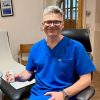
Mr Weaver has a special clinical interest in podiatric regenerative medicine and was among the first clinicians in Europe—and the first in the UK—to offer cryosurgery (cryoablation) for Morton’s neuroma. Driven by a commitment to excellence in patient care, he focuses on delivering precise, evidence-based treatments that prioritise long-term recovery and patient comfort.
Over the past 18 years, he has performed approximately 20,000 procedures for Morton’s neuroma and bursitis. This extensive experience allows him to provide a highly personalised approach, ensuring every patient receives the specialist attention required for the best possible outcomes.
His professional memberships include the Institute of Podiatrists, the International Society of Cryosurgery, and the British Medical Ultrasound Society.