

Why does Morton’s Neuroma seem better during the Summer?
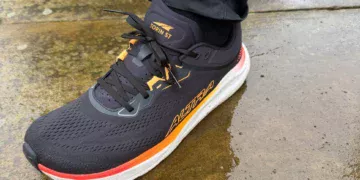
Zero-Drop Shoes for Forefoot Pain: A Podiatrist’s Honest Take (and What I Actually Wear)
A podiatrist's honest take on zero-drop shoes for Morton's neuroma and forefoot pain: what zero drop really means, why...
Read Post
Morton’s Neuroma Treatment: Supplements, Self-Help & Cryosurgery
Supporting Nerve Health in Morton’s Neuroma Self-Help Strategies, Supplements, and When to Consider Cryosurgery Morton’s...
Read Post
Cryosurgery harnesses the body’s ability to repair and regenerate damaged peripheral nerves.
When it comes to nerve injuries many people have a mistaken perception that once a nerve is injured it can not repair....
Read Post
Should steroid injections for Morton’s neuroma be given without ultrasound guidance?
Introduction A 2016 study, that is frequently cited today, found minimal differences in outcomes, between Morton’s...
Read Post
Stepping back in time: A brief history of Cryosurgery in Medicine & a look at why it’s the ideal treatment for Morton’s Neuroma today.
Introduction In terms of safety, efficacy, and ease of patient recovery, cryosurgery in my view represents an unparalleled...
Read Post
Is it better to wait for Morton’s Neuroma to get worse before seeking treatment?
During the pandemic, like many others, I have been increasingly reflecting on my own personal quality of life re-prioritising...
Read Post
Waiting Lists: 2 Years, or just 2 Weeks?
Approximately 87.5 people per 100,000 are affected by Morton’s neuroma. As those unlucky enough to be affected by...
Read Post
10 signs that you might have a Morton’s neuroma
During the Covid-19 Pandemic, many have found it hard access assessment and treatment for their suspected Mortons Neuroma....
Read Post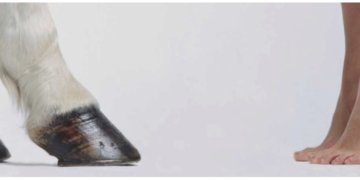
Ankle Equinus and Morton’s Neuroma
The Barn Clinic treatment centres in London & Sheffield commonly see a ‘silent’ condition that patients are...
Read Post
Cryosurgery Treatment “Get Up offa that thing (Those feet) and dance ‘till you feel better”
During lockdown I have heard, the question “How soon can normal life resume?” Well, what about how soon your...
Read Post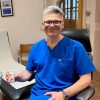
Mr Weaver has a special clinical interest in podiatric regenerative medicine and was among the first clinicians in Europe—and the first in the UK—to offer cryosurgery (cryoablation) for Morton’s neuroma. Driven by a commitment to excellence in patient care, he focuses on delivering precise, evidence-based treatments that prioritise long-term recovery and patient comfort.
Over the past 18 years, he has performed approximately 20,000 procedures for Morton’s neuroma and bursitis. This extensive experience allows him to provide a highly personalised approach, ensuring every patient receives the specialist attention required for the best possible outcomes.
His professional memberships include the Institute of Podiatrists, the International Society of Cryosurgery, and the British Medical Ultrasound Society.